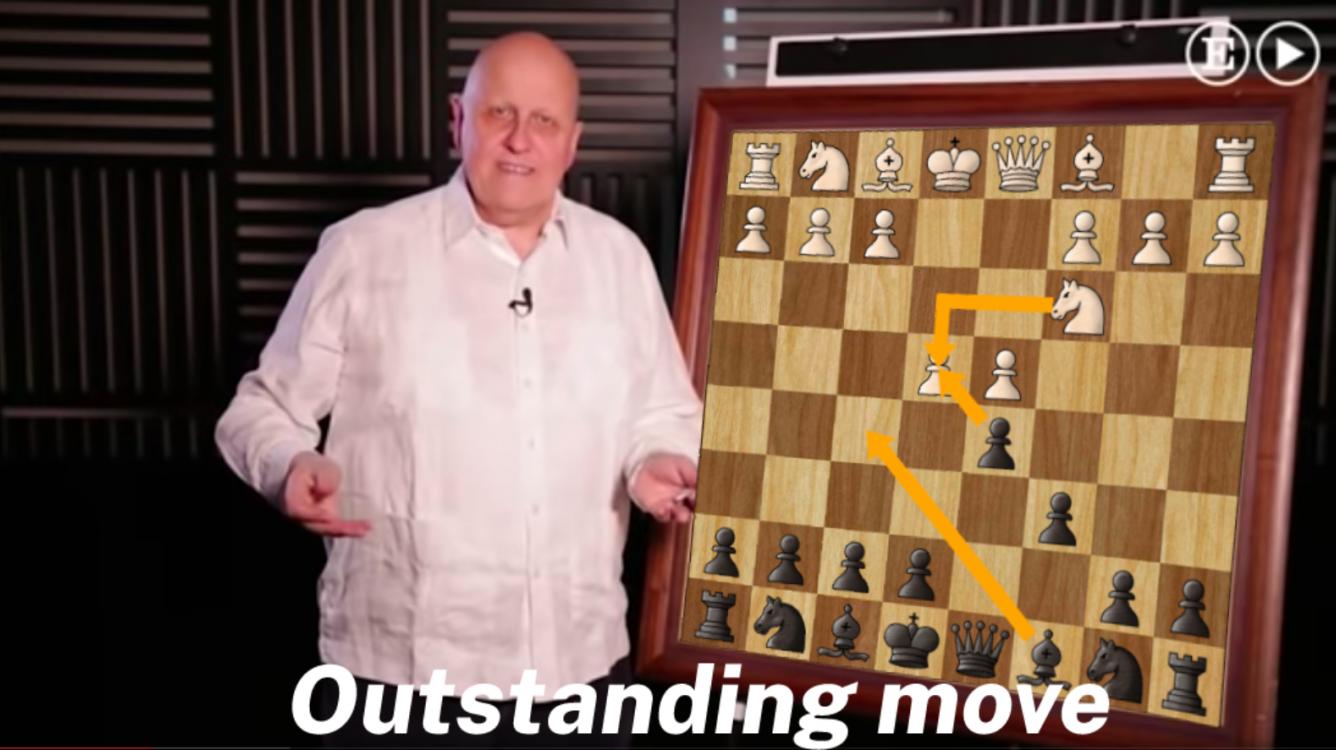
Hello everyone, in this edition of my blog I would like to analyze the Caro-Kann defense, it is an opening I personally used to apply to great effect especially in bullet chess due to the quick instinctive moves I could play in matter of seconds.
I do however feel like I haven't been giving this opening the respect it deserves, it does have many lines of theory that I would like to study and analyze with you all.
In this article, I am going to discuss the mainline Spassky variation as there is a lot of theory to take in. I will definitely publish another article going in depth on the advanced variation as well as the Karpov variation and of course the exchange variation.
I am going to use the 365chess database to provide insightful statistics on the win rate of games in certain positions.
Of course the Caro-Kann defense starts with the response to white's 1.e4 with 1.... c6 followed by 2.... d5.
What inspired the Caro-Kann defense?
The Caro-Kann defense was developed by English player Horatio Caro and Austrian player Marcus Kann who analyzed this opening in 1886 in depth. This opening gained massive traction after Marcus Kann won a game with his newly developed weapon against German-British Chess champion Jacques Mieses at the 4th German Chess Congress in May of 1885.
Due to the theory of this opening being absolutely non-existent, it's understandable how someone could lose this quickly, even though black's play seems completely reasonable in this modern day and age.
Caro Kann mainline (Spassky variation):
This line was greatly popularized by the great GM Boris Spassky, the tenth World Chess Champion.
I have been on the white end of this exact position after 10. Qxd3 really most of the time when playing against the Caro-Kann in online blitz.
I do suggest going through at least 5-10 more moves of engine lines just to grasp the possible positions that come out of the opening to see whether you like this opening either as black, or as white.
I will provide some statistics of the next possible moves for black.
| Move by black |
White win percentage |
Draw percentage |
Black win percentage |
| e6 |
31.8% |
44% |
24.2% |
| Ngf6 |
35.5% |
42.1% |
22.4% |
| Qc7 |
39.9% |
40.6% |
19.6% |
As the table above shows, e6 is practically the best move for black even though the win rate for white is quite significantly higher than black, the 365chess database consists of 4733 games in this line.
I will provide good lines for both white and black.
Setup for white:
Setup for black:
Link to the Xu, Yi vs Davaademberel (2014) game:
Caro-Kann Advanced variation
So now we are going to just brush on to the Advanced variation of the Caro Kann, a very popular variation especially among lower rated players due to the aggressive nature and attacking possibilities of this variation.
Basic trap line by white in the advanced variation
Karpov variation
Conclusion:
The Spassky variation of the Caro Kann defense is very double edged especially due to the usual plan of both sides castling queenside which can create a sharp and or dynamic game.
I do recommend going into these lines when playing against higher rated opponents due to the objective evaluation of these lines ending up with a dead drawn endgame if played correctly as shown above. Against lower rated opponents or those of equal strength I would recommend going for the advanced or Karpov variation due to the heavy fighting chess that can occur in those variations.
Thanks everyone for reading, please do comment your thoughts on this article or variation, suggestions for improvements on the moves, or just any feedback is much appreciates