
Checkmate on the Grand Stage: Proposing Chess as an Olympic Sport

The Olympic Games, a pinnacle of athleticism and human achievement, have seen the world's best athletes compete across various sports for over a century. As the definition of sports evolves, the question of whether chess deserves a place on the grand Olympic stage has gained momentum. In this article, we explore the compelling case for embracing chess as an Olympic sport, showcasing the strategic brilliance and competitive spirit that chess brings to the global arena.
The Chess Olympiad: A Prelude to the Games:
International Representation:
The Chess Olympiad, a biennial team event featuring nations from around the world, already operates under the auspices of FIDE (Fédération Internationale des Échecs or the World Chess Federation). This international competition mirrors the structure and camaraderie seen in traditional Olympic sports.
Global Participation:
Chess boasts a massive global following. With millions of players spanning continents, the inclusion of chess in the Olympic Games would provide a platform for diverse nations to showcase their strategic prowess, fostering global unity through a shared love for the game.
Chess as a Test of Mental and Emotional Stamina:
Intellectual Olympiad:
If physical sports test the limits of the body, chess is a sport which serves as the ultimate intellectual Olympiad. The mental fortitude required to navigate a chessboard, anticipate opponents' moves, and plan intricate strategies elevates chess to a realm of cognitive excellence.
Endurance and Focus:
Chess demands unwavering concentration over extended periods. Just as marathon runners showcase physical endurance, chess players exhibit remarkable mental stamina. The ability to maintain focus in the face of pressure mirrors the resilience seen in many Olympic sports.
The Inclusion of Mind Sports:
Changing Perspectives:
The notion of sports has expanded to include mind sports, recognizing that athleticism extends beyond physical prowess. Games like chess align with this broader perspective, challenging the traditional boundaries of sports and reflecting the evolving nature of competition.
Strategic Brilliance:
Chess epitomizes strategic brilliance. The battle of wits, the anticipation of opponents' moves, and the delicate dance of pieces across the board showcase a level of strategic thinking comparable to the tactical brilliance seen in various Olympic disciplines.
Addressing Concerns:
Physical Element:
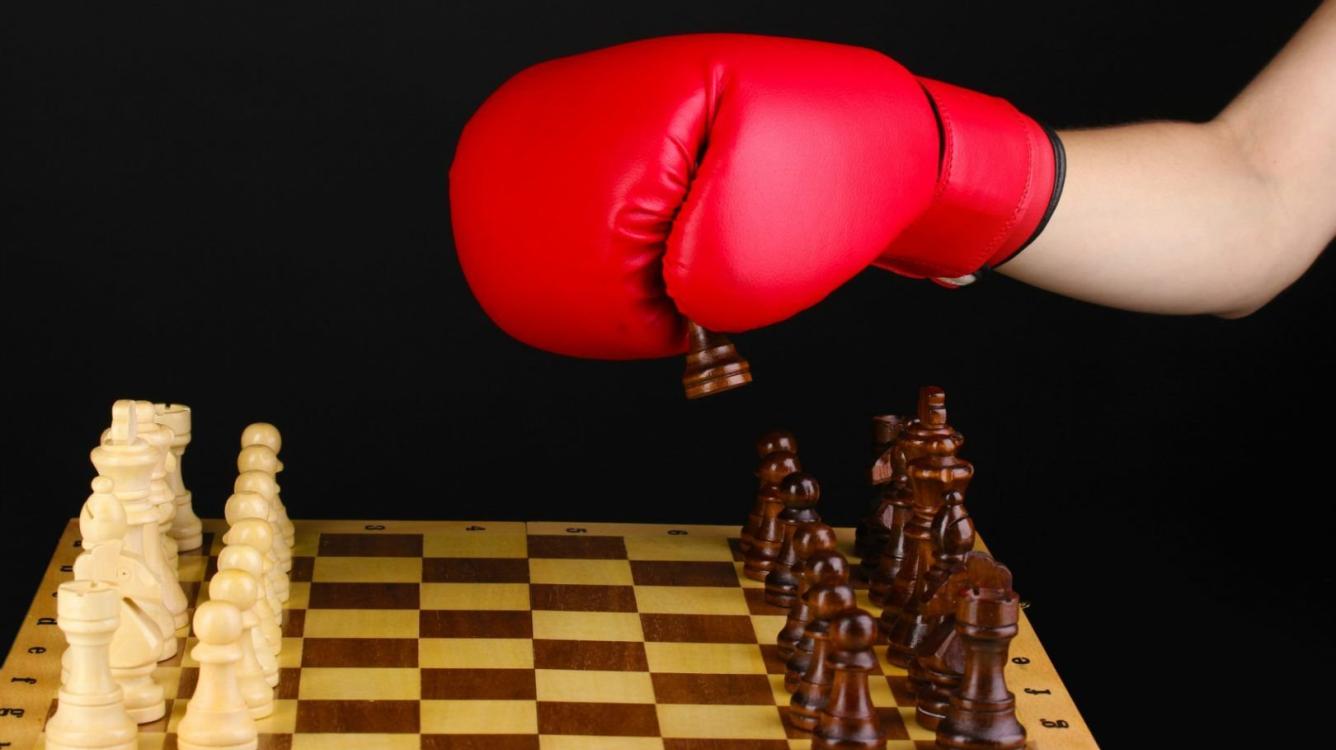
Critics argue that chess lacks a significant physical element. However, the mental and emotional endurance required in chess is akin to the fortitude displayed in other Olympic events, challenging the notion that sports must exclusively involve physical exertion.
Widening the Olympic Spectrum:
The inclusion of chess in the Olympic Games aligns with the spirit of diversification seen in recent additions like skateboarding and surfing. Recognizing the intellectual and strategic dimension of sports broadens the appeal of the Olympics to a more diverse audience.
As the world redefines its understanding of sports, chess stands as a worthy contender for inclusion in the Olympic Games. The global reach of the game, the strategic brilliance it encapsulates, and the parallels with traditional sports make a compelling case. Perhaps the time has come to witness the silent battles on the chessboard join the grand symphony of athleticism, unity, and human excellence that defines the Olympic Games. Checkmate on the grand stage may just be the next move in the evolution of the Olympic spirit.